Copy Frameworks for New User Cohort Churn Reduction
Smart copy fixes new-user churn faster than product changes can.
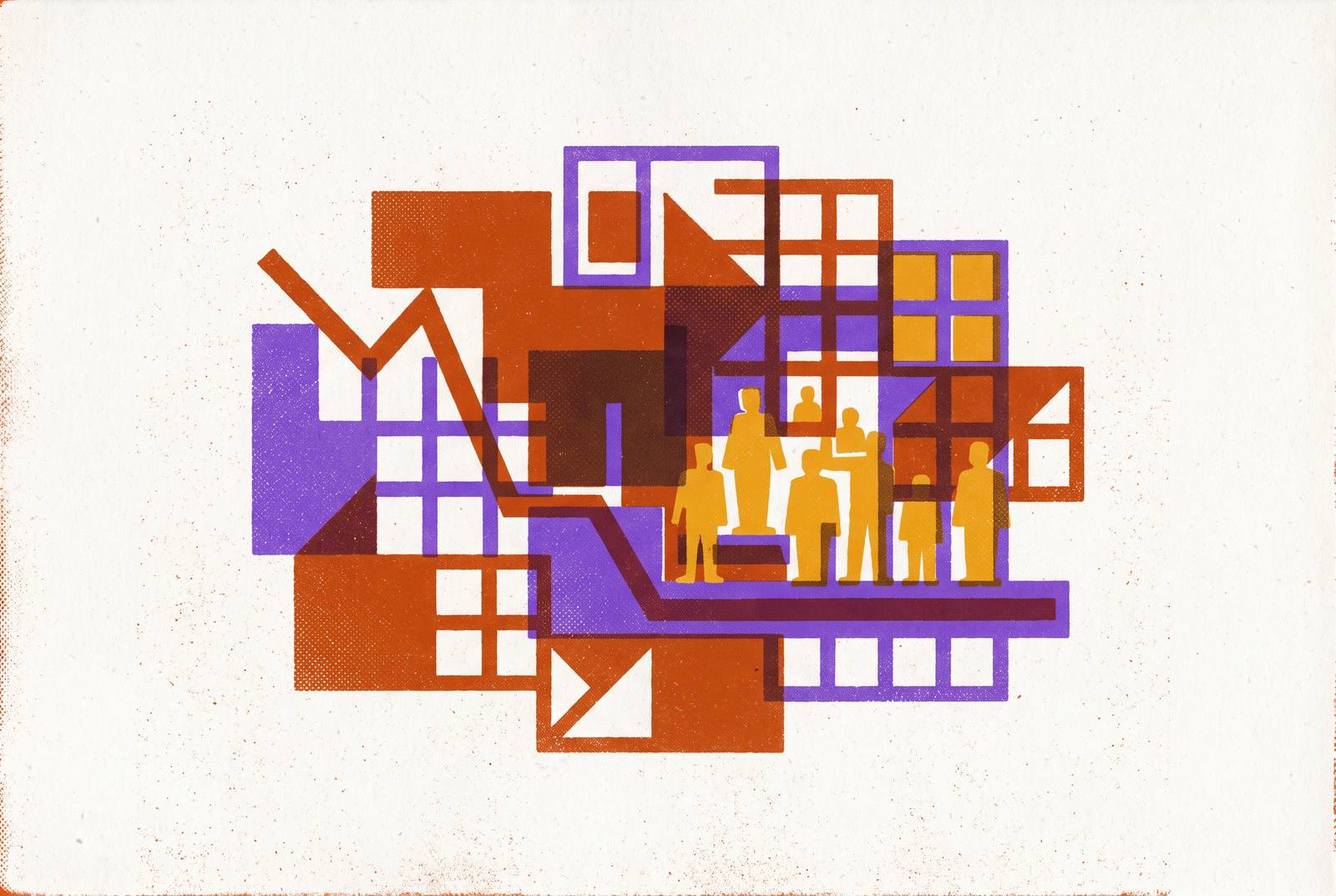
Most new-user cohorts don't churn because the product fails them. They churn because nobody sent them the right sentence at the right moment. The Userpilot 2024 Benchmark across 62 B2B SaaS companies put average activation at 37.5%, meaning roughly six out of ten signups never touch the thing that makes the product worth paying for. Separate 2025 research across more than 2,600 companies found that over 98% of new users churn within two weeks if they never hit a value milestone. That gap between signup and value is a copy gap most of the time. It's a copy gap, and it's the one lever a growth or lifecycle team can pull without waiting on a product roadmap.
Onboarding dashboards make this easy to miss. Checklist-completion rates climb, "tour finished" events pile up, and the numbers look fine right up until the cohort quietly empties out. The cost of SaaS churn runs into the hundreds of billions annually, and every 1-point reduction in monthly churn compounds into a 12%+ lift in annual net revenue retention. The words sent in a user's first two weeks decide which side of that math a company lands on.
What "activation" means and why most teams measure the wrong thing
"Finished the onboarding tour" predicts almost nothing. It's a compliance metric dressed up as a growth metric, and plenty of teams never notice the difference because both numbers go up and to the right.
A real activation event has to clear three bars. Users who hit it need to retain meaningfully better than users who don't. That relationship needs to hold up across segments, not just in aggregate. And moving the event itself, getting more people to hit it faster, needs to actually move retention. Anything short of that is just a number that feels good in a board deck.
It also helps to keep three related ideas separate, because they call for different fixes. Time to First Value is how fast someone hits any meaningful moment. Time to Core Value is how fast they hit the specific moment that predicts they'll stick around. Activation Rate is what share of a cohort ever gets there at all. Blur these together and the copy ends up chasing the wrong target.
Split new users into those who hit the candidate milestone within 14 days and those who don't, then check what share of each group is still active at 30, 60, and 90 days. If Cohort A retains at a meaningfully higher rate than Cohort B, that gap says the milestone is load-bearing. If the numbers come back nearly identical between the two groups, the milestone barely matters, and no amount of clever copy nudging people toward it will move retention.
When at least 7% of a cohort comes back on day 7, the product shows strong early retention signals, and roughly 69% of products that hit that bar stay strong three months out. Day-7 return is a cheap, early read on whether the activation definition is even in the right neighborhood.
None of this is optional groundwork. A writer can't aim copy at activation without first knowing, with evidence, what activation is.
Why time-based drip sequences fail new-user cohorts
Calendar-based drips send message three on day three no matter what the user has actually done. The message and the user's real situation are decoupled by design, which is exactly the flaw.
Generic product tours complete at around a 15% median rate and don't meaningfully predict who converts. It's a structural problem with tying the message to a day count instead of a behavior, not a copy problem inside the tour. It's a structural problem with tying the message to a day count instead of a behavior.
The bigger failure occurs in suppression, or the lack of it. A sequence that doesn't exit a user the moment they activate keeps sending "finish your setup" emails to someone who already finished. That single mistake is the fastest way to make a well-written sequence feel like spam, because it tells the user the sender isn't actually paying attention.
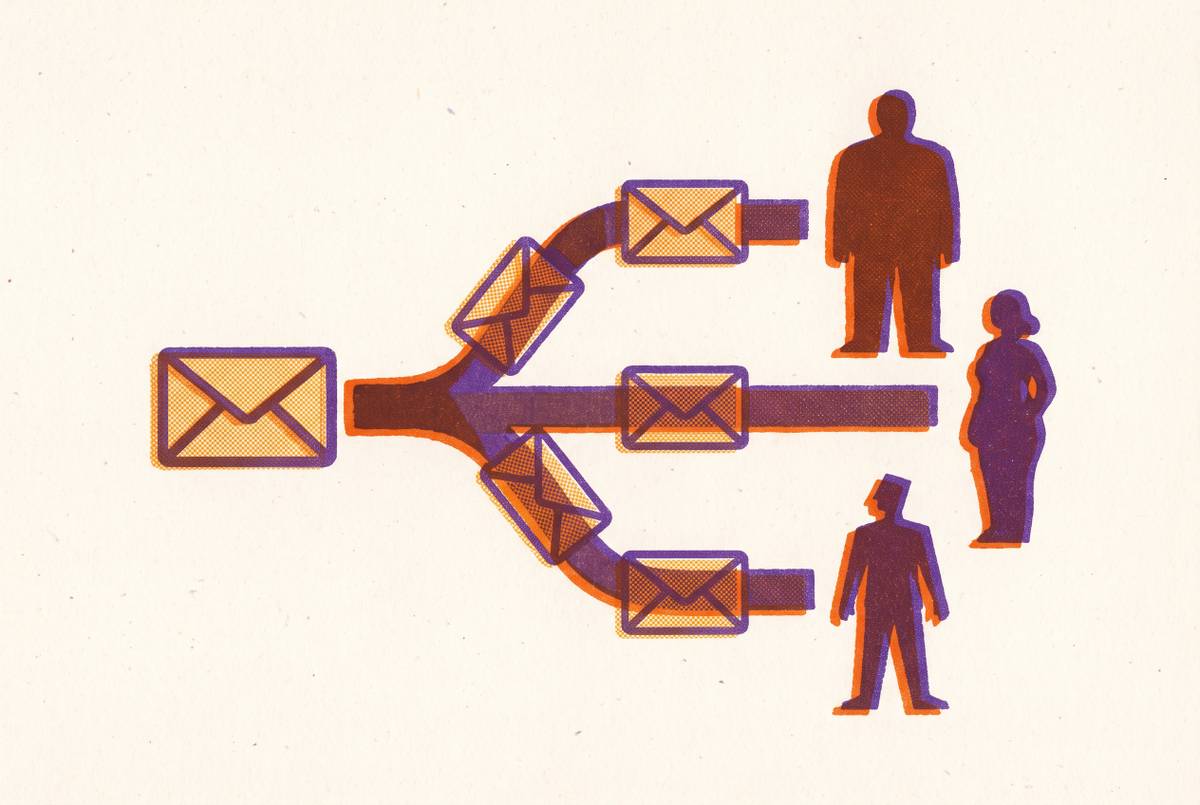
Four behavior states should replace the day-count trigger entirely:
- Day-1 inactive: signed up, hasn't done anything yet
- Completed-aha: hit a meaningful early moment but not the full activation event
- Hit-activation: cleared the validated milestone
- Risk: no movement toward the milestone within the expected window
Suppression logic matters as much as trigger logic here. A message that lands on the wrong person at the wrong moment doesn't just waste a send, it degrades trust in every message that product sends after it. Once a team commits to triggering off behavior instead of the calendar, the next question is what structure the copy itself should follow at each of those trigger points.
The Orient → Activate → Reinforce sequence and each phase's required copy
One onboarding framework, laid out in Flowjam's 2026 best-practices research, breaks the first-week message flow into three phases built around getting a user to their first "aha" in under five minutes: Orient, Activate, Reinforce.
Orient copy has one job: kill ambiguity. It answers "what's the one thing I should do right now," not "here's everything this product can do." A welcome email listing eight features is Orient copy failing at its only task.
Activate copy fires off a behavior gap: the user hasn't done the activation action inside the expected window. The message names the specific missing piece, not a generic "get started" nudge, and prescribes exactly one next step. No menus.
Reinforce copy fires after the activation event actually logs. It acknowledges what the user really did, grounded in a real event rather than a canned "congrats," and then connects that first win to the next action to take.
Most sequences stop after Activate, which is a mistake. Teams optimize hard for getting someone to activate once and then go quiet, but retained adoption (coming back and doing the key action again) is what actually predicts renewal. Research cited alongside this framework found users who engage with a new feature inside their first week show substantially higher six-month retention than users who delay feature discovery past 30 days. Reinforce-phase copy is the mechanism that pulls that discovery forward instead of letting it drift.
The thread tying all three phases together: each message does one job, references one behavior, and prescribes one action. Not three options. One.
How copy structure differs across the four trigger types
Four trigger types cover the ground here: event, time, state, and risk. Each one applies to a different situation, and each calls for its own copy logic.
Event triggers fire when a user completes something meaningful. The structure is simple: you did X, here's what that unlocks. Ground it in the specific action taken, not a generic milestone badge.
State triggers fire when a user sits in a defined behavioral state, things like "completed aha" or "expanded to team use." The copy should speak to that state in the present tense, an observation about where the user is right now, not a recap of what happened over the past week.
Time triggers get used narrowly, only when no behavioral signal has come in at all. The tone should be a soft re-surfacing of the single most important next step, and it shouldn't assume the user went quiet for some particular reason. It probably wasn't personal.
Risk triggers fire when a user is trending toward never activating, say day 5 with zero progress logged. This is the highest-stakes message type. It has to reference what hasn't happened without sounding accusatory, and it needs to hand over the lowest-friction path to the activation event available.
Voice should shift with the trigger. Event-triggered copy can afford to be warm and specific. Risk-triggered copy needs to be short and direct, no clever framing, no length. And trigger quality itself should get judged by whether the message changed behavior, not by whether it fired on schedule. Frequency caps and skip-logic belong in the send decision, not patched over with softer copy.
Writing copy that references behavior without feeling like surveillance
"Noticed you logged in three times but didn't finish step 4" is activity recitation, not help. It tells the user they're being watched, which is the opposite of what onboarding copy is supposed to communicate.
A better move: name the outcome the user is trying to reach, not the clicks they made or skipped. "You're one step from sharing this with your team" lands as an invitation. "You haven't completed the sharing setup" lands as a citation. Same underlying data, completely different message.
Grounding still matters, and it should come from something real. A message that references a file the user actually created, a workflow they actually ran, a number they actually hit, reads as personal because it is personal. Even a message about something the user hasn't done should anchor on what their goal presumably is, not on the gap itself.
That's really the line between descriptive and prescriptive copy. Descriptive copy recaps what a user did or didn't do. Prescriptive copy tells them the next thing to do. Onboarding messages only have one of those two jobs, and it's the second one.
Tone should flex by phase, too. Orient messages should avoid overwhelming the user. Activate-phase gap messages need to be specific about the missing step. Reinforce messages can acknowledge what the user actually accomplished before pointing to what comes next. Risk-trigger messages stay brief and low-friction, never panicked. And grounded personalization, done well, uses the fewest data points that make a message feel relevant, not a full activity log dumped into an email.
Copy frameworks for re-engaging users who missed the activation window
Companies that get users to a first "aha moment" within 7 days see 50% lower churn than those with longer onboarding windows. Users who blow past that window aren't just a little behind, they're on a materially worse trajectory, and sending them the same nudges that work inside the window won't fix that.
Re-engagement copy needs a different structure than onboarding copy, because onboarding assumes forward momentum and re-engagement has to rebuild relevance before it can ask for anything.
A three-part structure works here. First, acknowledge the elapsed time without shaming anyone for it. Second, name the specific value the user hasn't reached yet, framed as something still available to them, not something they missed. Third, offer the single lowest-friction path back to the activation event, not a laundry list of features to revisit.
A "here's what you missed" recap email is descriptive copy wearing a re-engagement costume. That's descriptive copy wearing a re-engagement costume. It tells the user about the product instead of handing them the next concrete step, which is the only thing that actually pulls someone back in.
Segmentation matters too. A user who logged in a few times and never activated is a different problem than a user who never came back at all. The first group needs a clearer, shorter path to value. The second group needs a reason to open the app before the path even matters. One framework in the research recommends reaching out within 24 hours of someone going quiet during setup. That message's only job is surfacing the barrier, not re-pitching the product from scratch.
Measuring whether copy changes moved cohort behavior
Opens and clicks are vanity numbers here. The real question is whether the people who got the message went on to perform the activation event, and whether they repeated it.
Feature adoption rate needs the right denominator, too. It should be measured against eligible users, meaning people who had access, opportunity, and reason to adopt the feature, not against total signups. Counting every signup in the denominator dilutes the number with people who were never candidates for that action in the first place.
First use alone doesn't prove anything about retention. Pair it with a repeat-use gate: did the user come back and perform that same key action again in the next week or the next workflow cycle? A single first use can be curiosity. A second use starts to look like habit.
For B2B accounts specifically, track the share of accounts with two or more active users. That number can reveal churn risk even when individual engagement metrics look perfectly healthy, because a single power user keeping an account alive is a fragile position no dashboard will flag on its own.
The discipline that ties all of this together is the holdout test. Trigger quality, and copy quality by extension, only means something when measured against incrementality: a holdout group that never received the message, compared against the group that did. Without that comparison, a cohort that activates after getting a message might have activated anyway, message or no message. Observed adoption after a send is not proof the send caused it. Only a clean comparison settles that.
Behavioral cohort segmentation backs this up at scale. A 2024 benchmark from OpenView found that PLG teams using it saw 40% higher free-to-paid conversion and 25% better retention than teams relying on time-based cohorts. 91% of SaaS companies say they invest in product-led growth, but only 34% actually track activation. That gap between spending and measuring is where most copy improvement programs quietly stall out. Closing it isn't glamorous work, but it's the difference between guessing and knowing whether the words sent to new users are doing their job.
Sources
- SaaS Churn Reduction: The Complete 2026 Guide to Retaining Customers and Maximizing Revenue
- Time to Value: The 2026 SaaS Onboarding Metrics Framework
- SaaS Onboarding 2026: Beat the 37.5% Activation Trap (+ Free Checklist) | Flowjam
- SaaS Churn Prevention: Complete 2026 Playbook for B2B Companies
- digitalapplied.com